UPCOMING: Rinse or Reconsider? The Science Behind Oral Rinses and the Oral Microbiome
1 CE | LIVE on November 19th, 6PM CT
Descriptions: This course takes a critical, evidence-based look at one of the most commonly recommended yet often misunderstood components of daily oral care. We'll explore the biological effects of popular oral rinses on oral tissues and microbial populations, highlighting how different bacterial species respond to specific active ingredients. Participants will examine which rinses support a healthy microbial balance and which may contribute to tissue irritation, xerostomia, dysbiosis, or disruption of beneficial flora. Special attention is given to products that remain widely recommended despite emerging evidence suggesting potential harm or limited benefit for certain patient populations.
This CE is perfect for: The Entire Clinical Dental Team - Dentists, Dental Hygienist, & Dental Assistants.
Objectives:
- Differentiate between common types of oral rinses (e.g., antimicrobial, fluoride, alcohol-based, essential oil, chlorhexidine, herbal, and cosmetic rinses) and their intended effects on oral tissues and biofilm.
- Explain how various oral rinses interact with oral bacteria, including beneficial versus pathogenic microorganisms, and how these interactions may influence caries risk, periodontal health, and oral dysbiosis.
- Apply evidence-based recommendations for oral rinse selection, identifying products that support oral health and recognizing those that may be harmful or inappropriate for certain patients.
Expert Speaker: Heather Kenney, RDH, HIAOMT
Already an All Access Pass member? This CE is already included with your All Access Pass — no separate purchase needed!
Simply log in on your desktop or the Clinicians Platform mobile app to access the session.
Enjoy a single CE session a la carte
or
Get the All-Access Pass
All-Access Pass Includes:
Unlimited Access to the entire CE Library with tons of CEs to watch now
Join every LIVE CE at no additional cost
Also included is the Clinicians Platform App to learn anywhere on the go!
Downloadable resources and handouts from each presenter
Forever CE Storage


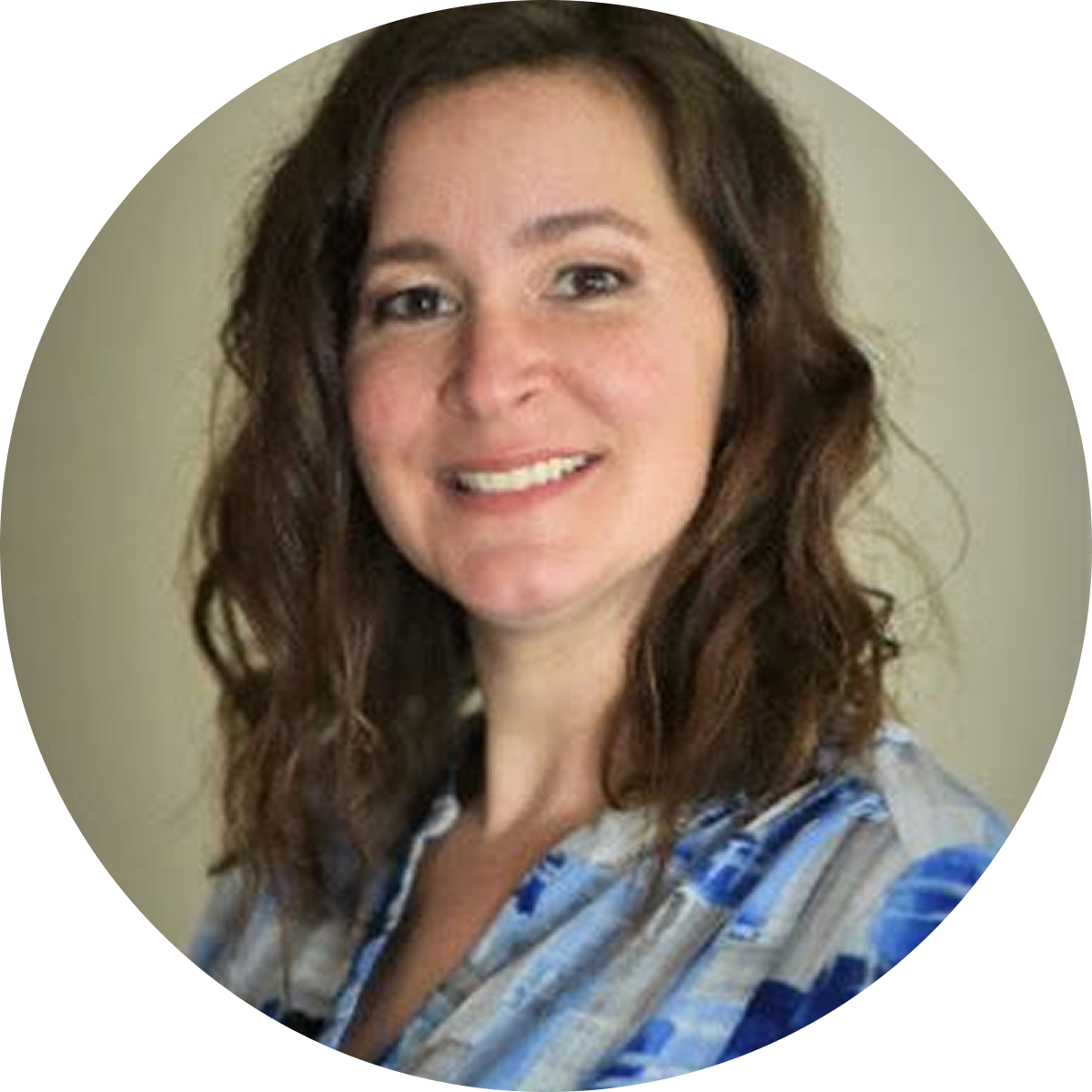
Heather Kenney, RDH, HIAOMT
Heather Kenney, RDH, HIAOMT is an IAOMT-certified holistic dental hygienist and oral health educator passionate about bridging dentistry and systemic health. With a focus on salivary diagnostics, inflammation, and the oral microbiome, she helps clinicians move beyond symptom-based care toward collaborative, evidence-informed treatment models.